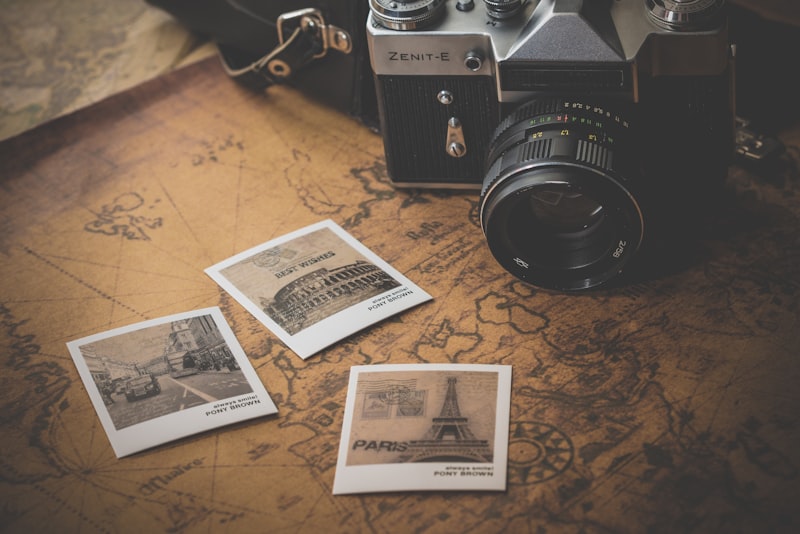
Photography for Beginners: A Gentle Start
A calm, encouraging starting point for new photographers: why any camera works, how to learn to see, and the few basics worth your attention first.
 Elias Vance
The library
Every guide we've published, newest first. 34 in-depth articles on camera basics, composition and light, editing, and photographic genres.
A calm, encouraging starting point for new photographers: why any camera works, how to learn to see, and the few basics worth your attention first.
Elias Vance
A calm, beginner-friendly guide to photo editing — what it's actually for, a simple order of adjustments, and why restraint beats every preset.
 Dani Roth
Composition is just deciding what goes where in your frame. Learn the three quiet ideas — simplify, balance, and guiding the eye — that make a picture work.
 Mira Osei
Better portraits come from connection, light, and patience — not gear. Practical tips on putting people at ease, lighting the face, and focusing on the eyes.
Elias Vance
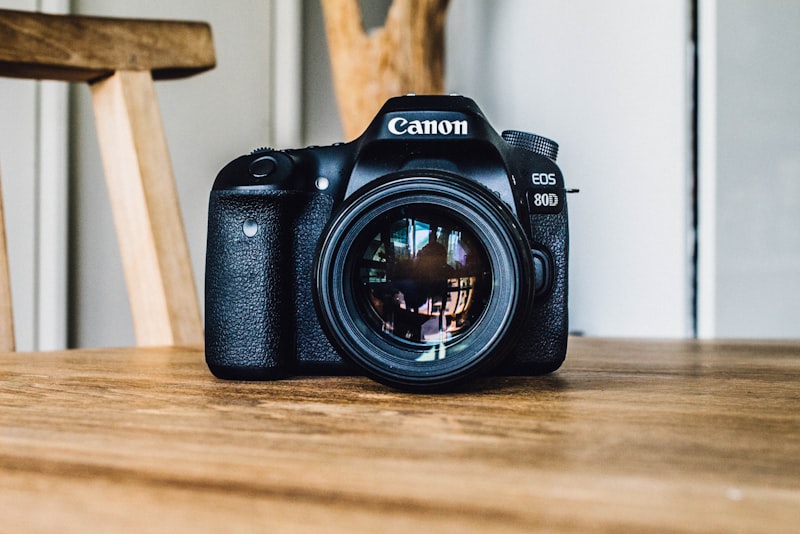
Aperture explained in plain language: what f-numbers mean, how they shape depth of field and light, and how to use that opening creatively in your photographs.
Elias Vance

A brand-agnostic look at the types of photo editing software — catalog developers, layer editors, and mobile apps — and how to pick the right kind for the work you actually do.
Dani Roth
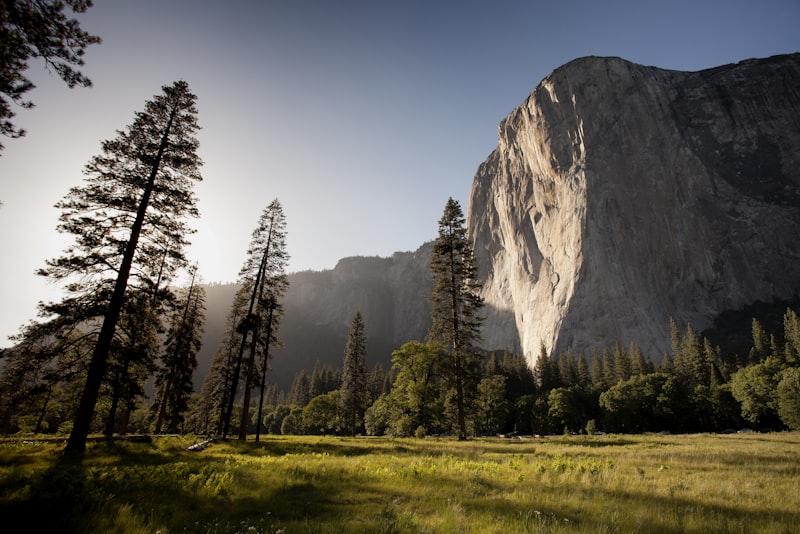
The rule of thirds is the friendliest first step in composition. Learn what it is, why it works, how to use it with any camera, and when to set it aside.
Mira Osei
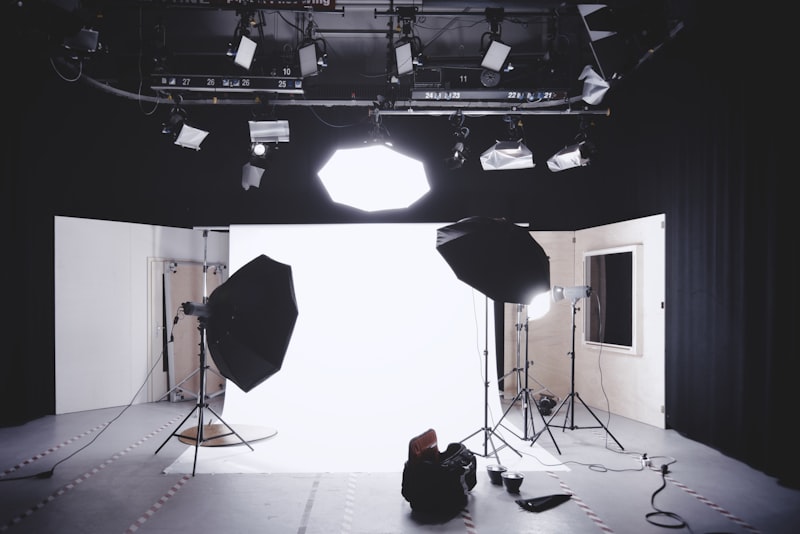
Strong landscapes come from light, patience, and composition — not big skies and luck. The basics of timing, foreground, depth, and leaving no trace.
Elias Vance
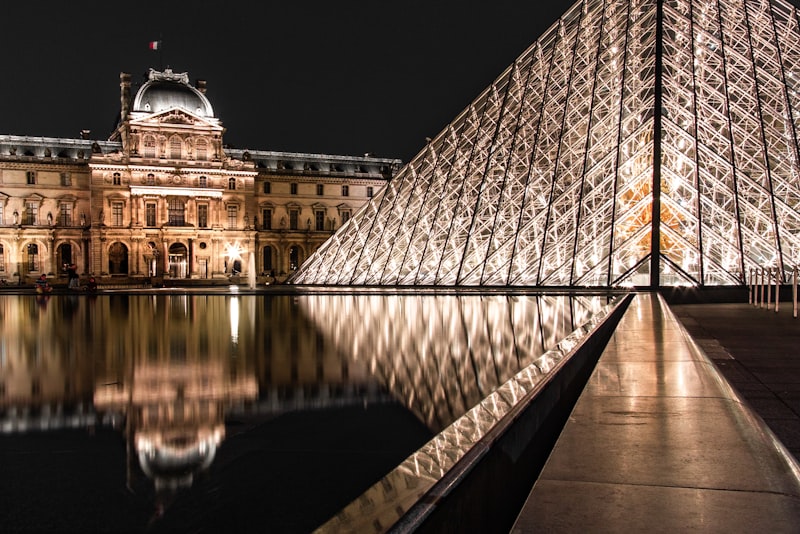
Shutter speed explained in plain language: how it freezes or blurs motion, what hand-holding really demands, and how it shapes both light and feeling in a photograph.
Elias Vance

A clear, calm explanation of the core editing sliders — exposure, contrast, white balance, highlights and shadows, saturation and vibrance — and a sensible order to use them.
Dani Roth
Light shapes every photograph more than your camera does. Learn to read its direction and quality, the difference between soft and hard light, and how to use a simple window.
Mira Osei
Street photography is about anticipation, light, and staying unobtrusive — and about doing it ethically. A practical, honest guide to working respectfully in public.
Dani Roth
ISO explained in plain language: what sensor sensitivity really means, where noise comes from, when to raise it without fear, and how it completes the exposure puzzle.
Elias Vance

Editing like a professional isn't about secret tools or presets — it's about a clear vision, subtlety, consistency, and knowing exactly when to stop.
Dani Roth

Lines, frames, and depth quietly direct where a viewer looks. Learn to use paths, edges, and layers to lead the eye through your photographs with intention.
Mira Osei
Travel photography is about story and presence, not landmarks. Tips on going beyond postcards, respecting people and places, and staying in the moment.
Dani Roth
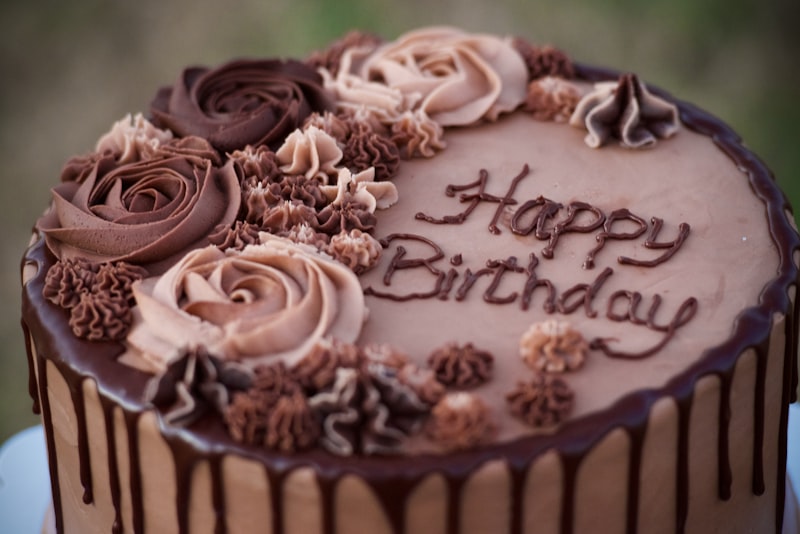
How aperture, shutter speed, and ISO work together: the trade-offs between them, why they balance, and how this simple mental model finally gets you off auto with confidence.
Elias Vance

When and how to convert a photo to black and white — using contrast, tonal control, and color mixing to reveal what monochrome does best. It's not just desaturation.
Dani Roth
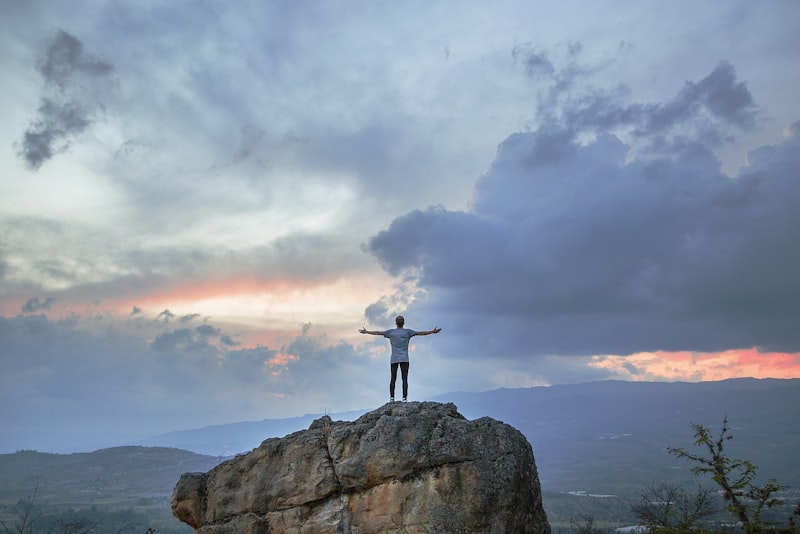
Color is one of the quietest, strongest tools in a photo. Learn to see harmony, contrast, warm and cool, and the power of restraint — and how each one shapes how a picture feels.
Mira Osei
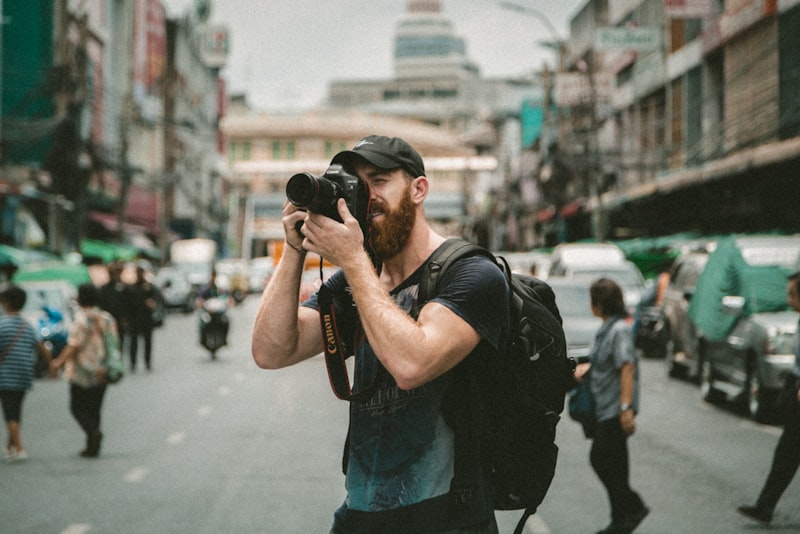
Photographing people well is about consent, comfort, and care — not equipment. How to put people at ease, choose candid or posed, and use light kindly.
Elias Vance
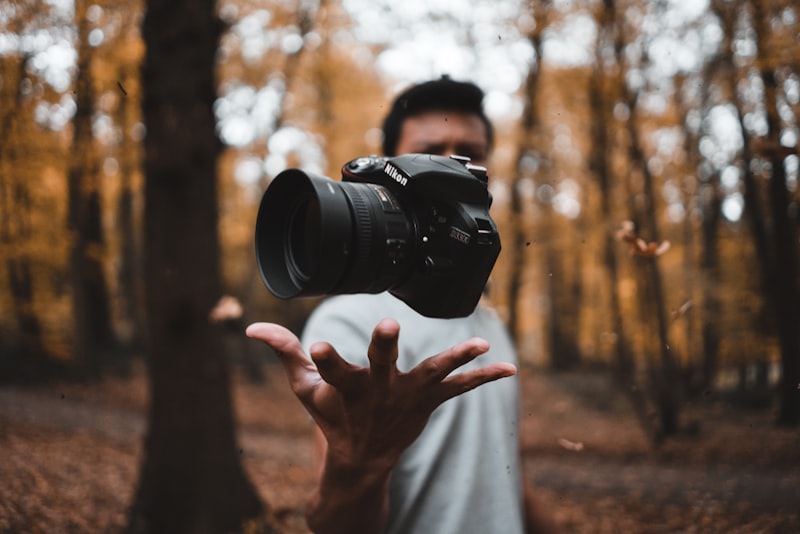
Stance, grip, breathing, and bracing are the quiet fundamentals behind sharp hand-held shots. Here is how to steady yourself and let your camera do its best work.
Mira Osei
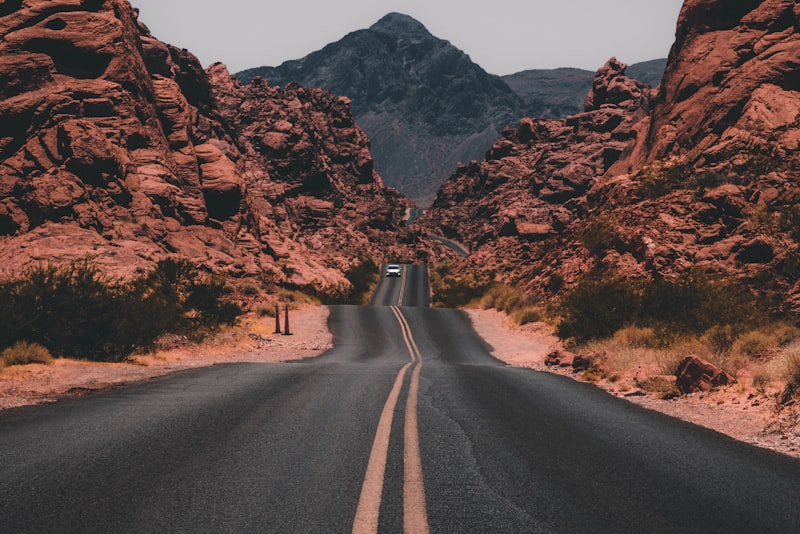
A calm, practical system for managing your growing photo library — folders and keywords, ruthless culling, and a 3-2-1 backup approach so you can find and protect your work.
Dani Roth

Golden hour makes almost any scene look better, and it's easy to plan for once you know what to watch. Here's how to find it, shoot in it, and why blue hour and overcast days have gifts too.
Mira Osei

Practical smartphone photography tips for better light, cleaner composition, and honest editing. No new gear required, just a phone and a little attention.
Dani Roth
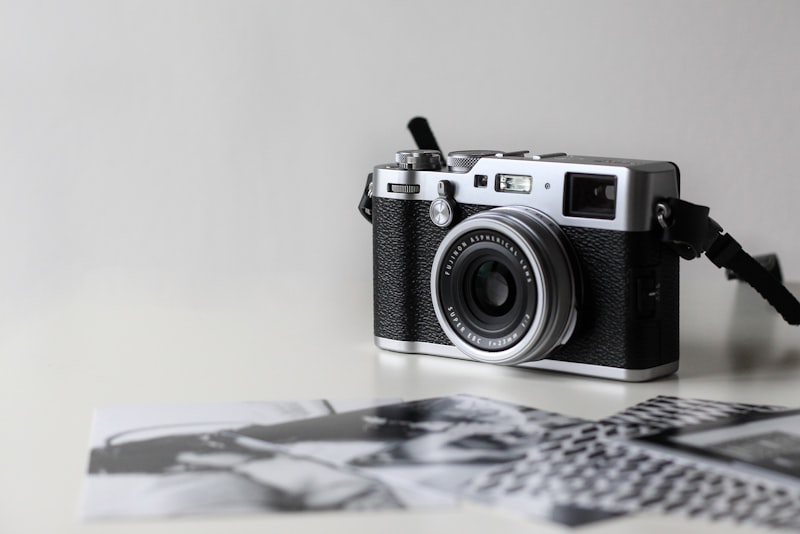
RAW gives you flexibility, JPEG gives you convenience, and neither is wrong. A calm, dogma-free look at what each format does and when it actually matters.
Mira Osei
The real case for RAW in editing — recovery, white balance, and latitude — weighed honestly against its costs in storage and time, so you can decide if it's for you.
Dani Roth
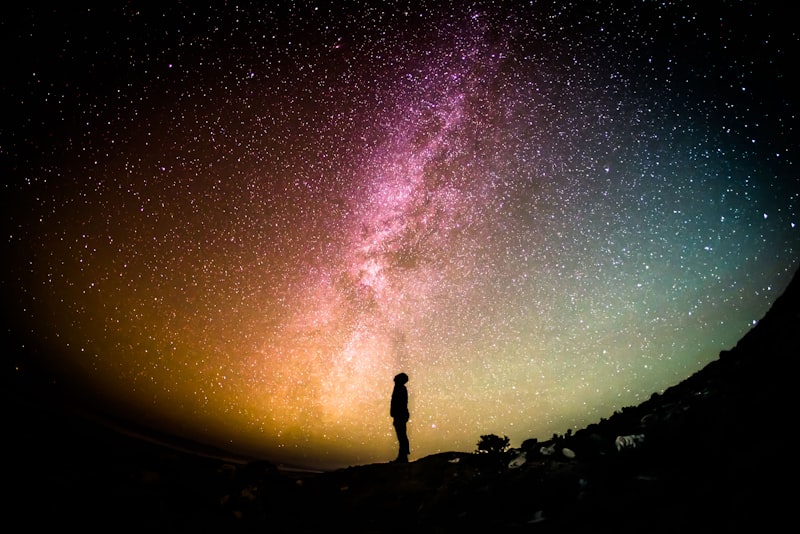
Learning to notice light is the skill that quietly improves every photo you take. Here's how to read direction, time of day, and shade — and bend the light you have toward you.
Mira Osei

Night photography basics for beginners: how to steady your camera, use long exposures, find good light after dark, manage noise, and stay safe and aware.
Dani Roth

Focal length decides how much of the world fits in your frame and how near and far feel related. Here is what wide and telephoto really do, and how to choose by the way you see.
Mira Osei
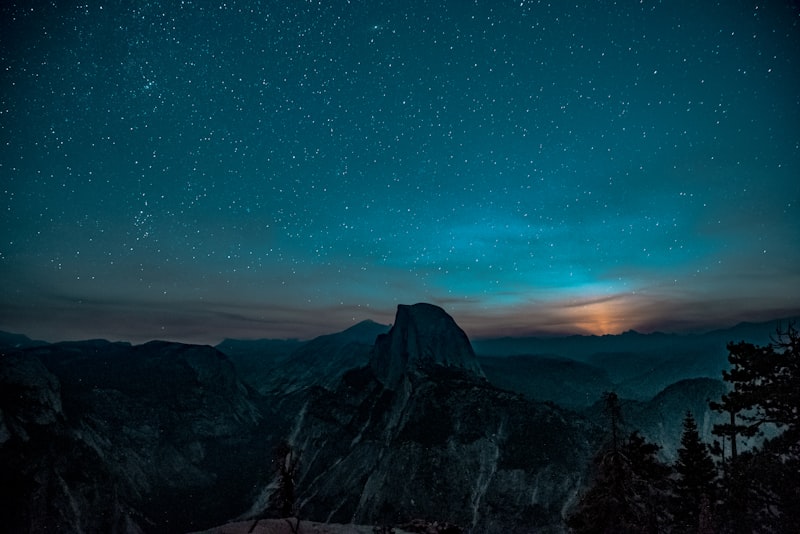
The usual over-editing traps — clarity and saturation overload, heavy HDR, crushed skies, and inconsistent looks — and the calm habits that help you pull back before you go too far.
Dani Roth
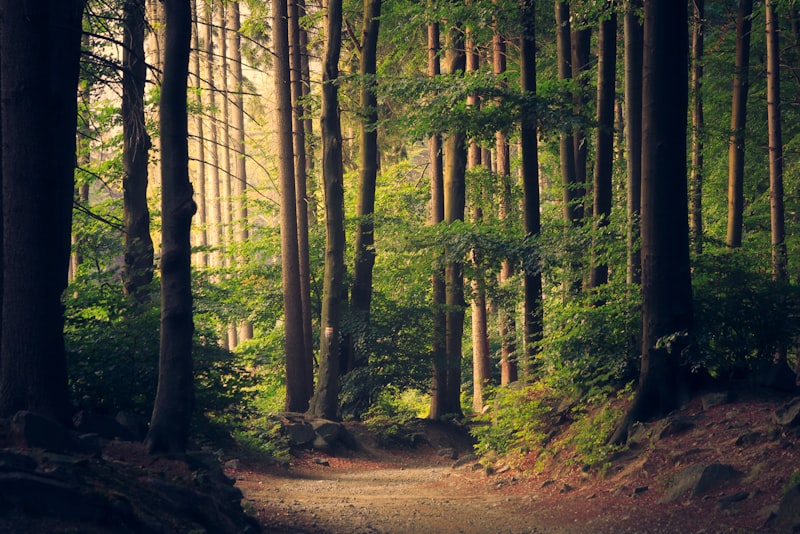
Empty space isn't wasted space. Learn how leaving room around your subject — and putting less in the frame — makes a photo calmer, clearer, and far more powerful.
Mira Osei
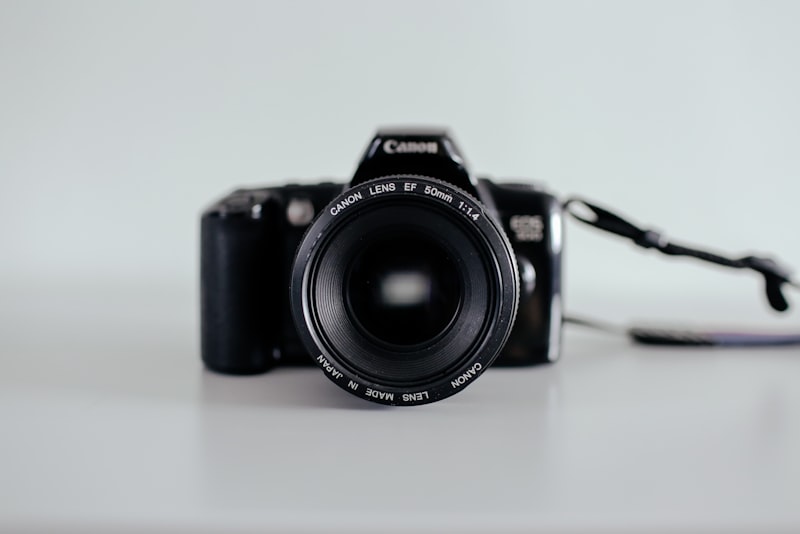
An ethics-first guide to nature and wildlife photography: patience, keeping a respectful distance, reading light, fieldcraft, and never disturbing the animals or their habitat.
Elias Vance

Auto, P, A/Av, S/Tv, and M are not a test of skill but a set of helpful tools. Here is what each shooting mode does and a calm path toward taking the wheel yourself.
Mira Osei

A beginner's guide to close-up and macro photography: why the tiny world is so rewarding, how to handle the focus challenge, lighting close-ups, and simple ways to start without expensive gear.
Dani Roth