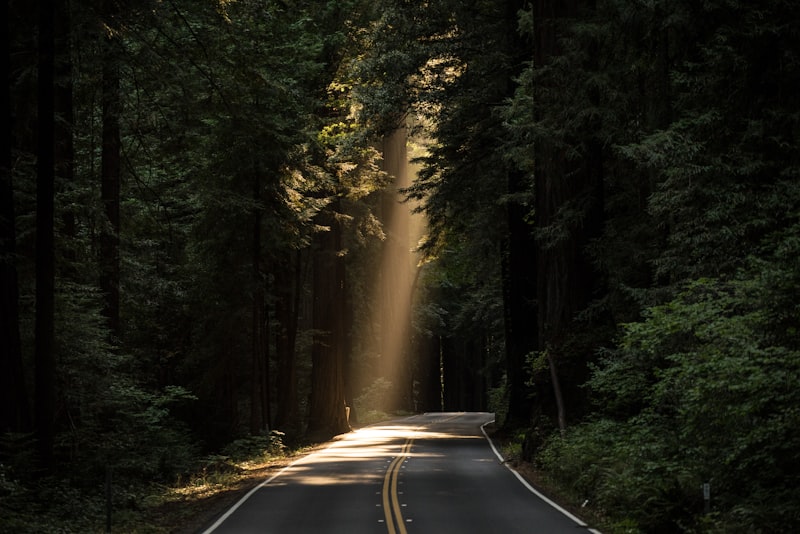
Composition Basics: Arranging a Frame on Purpose
Composition is just deciding what goes where in your frame. Learn the three quiet ideas — simplify, balance, and guiding the eye — that make a picture work.
 Mira Osei
Topic
The real craft — seeing light, framing, balance, and the quiet decisions that turn a snapshot into a photograph.
Composition is just deciding what goes where in your frame. Learn the three quiet ideas — simplify, balance, and guiding the eye — that make a picture work.
Mira Osei
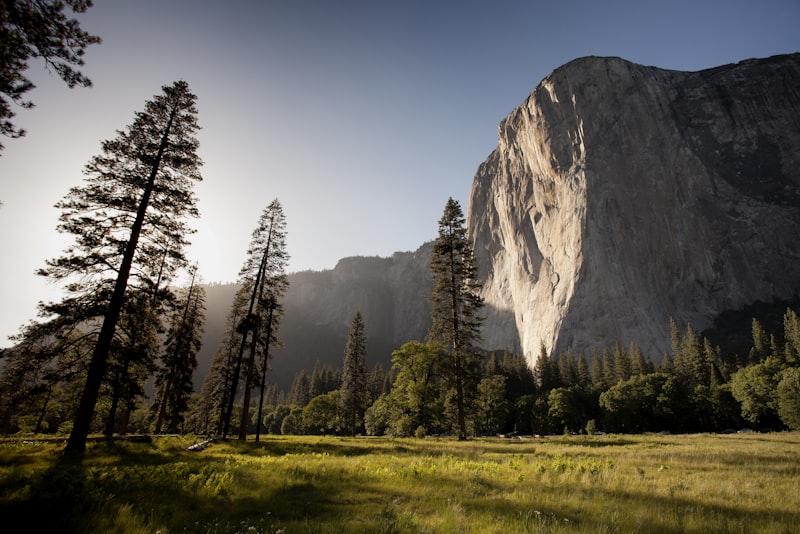
The rule of thirds is the friendliest first step in composition. Learn what it is, why it works, how to use it with any camera, and when to set it aside.
Mira Osei
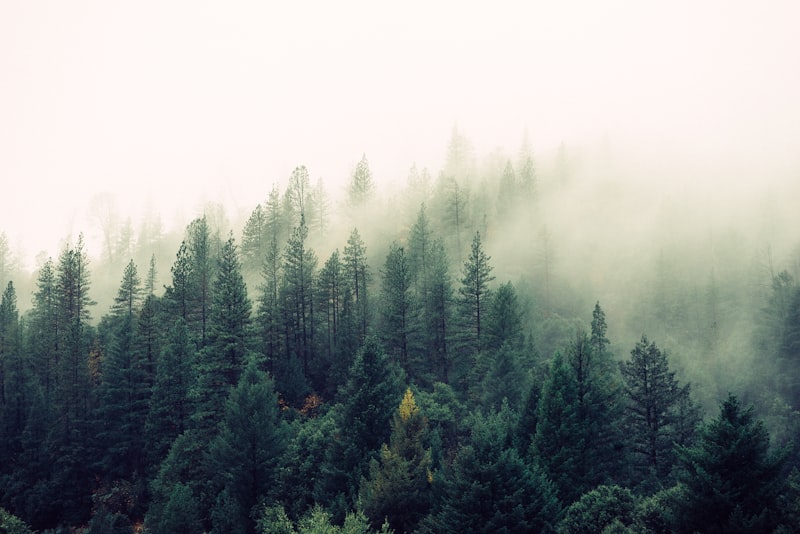
Light shapes every photograph more than your camera does. Learn to read its direction and quality, the difference between soft and hard light, and how to use a simple window.
Mira Osei

Lines, frames, and depth quietly direct where a viewer looks. Learn to use paths, edges, and layers to lead the eye through your photographs with intention.
Mira Osei

Color is one of the quietest, strongest tools in a photo. Learn to see harmony, contrast, warm and cool, and the power of restraint — and how each one shapes how a picture feels.
Mira Osei

Golden hour makes almost any scene look better, and it's easy to plan for once you know what to watch. Here's how to find it, shoot in it, and why blue hour and overcast days have gifts too.
Mira Osei
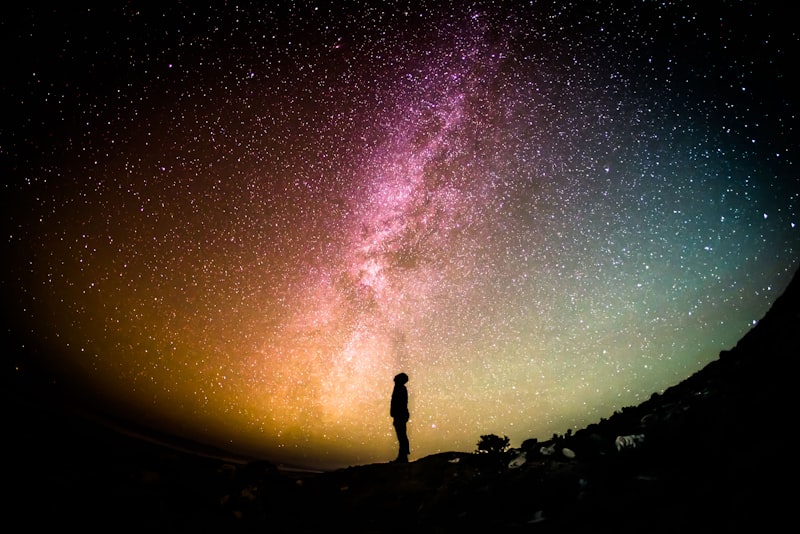
Learning to notice light is the skill that quietly improves every photo you take. Here's how to read direction, time of day, and shade — and bend the light you have toward you.
Mira Osei
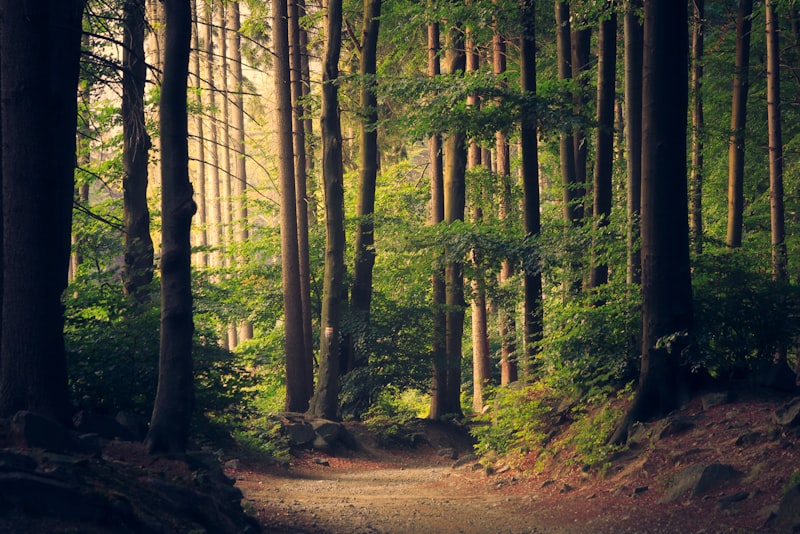
Empty space isn't wasted space. Learn how leaving room around your subject — and putting less in the frame — makes a photo calmer, clearer, and far more powerful.
Mira Osei