I once spent an afternoon trying to photograph a single white chair in a big empty room, and I kept failing because I couldn't stop adding things. A plant in the corner, a picture on the wall, a shaft of light — surely the photo needed more. It didn't. The moment I framed just the chair and the wide, quiet floor around it, the picture finally worked. All that emptiness wasn't nothing. It was the whole point. That afternoon taught me something it took years to fully trust: in photography, space is not absence. It's a presence you can use.
Let's talk about how to use it, because it might be the gentlest, most powerful tool you have.
What Negative Space Is#
Negative space is simply the empty area around and behind your subject — the quiet part of the frame where nothing important is happening. A wide sky above a lone figure. A plain wall beside a face. A stretch of still water under a single boat. The subject is the positive space; everything around it that lets it stand alone is the negative space.
Beginners often treat empty areas as a mistake, something to fill or crop away. But that emptiness is doing real work. It gives your subject room to be seen. It hands the viewer's eye a place to rest. And it tells the eye, clearly, this is what matters — look here. A subject surrounded by space can't be missed.
The first shift is just to stop apologizing for empty space and start seeing it as part of the composition, as deliberate as the subject itself.
Less in the Frame, More in the Photo#
The most common reason photos feel busy is that they're trying to hold too much. We point the camera at a whole scene and hope the viewer will find the good part. But a viewer shouldn't have to search. The kindest thing you can do is decide what the photo is about and let almost everything else go.
A crowded frame asks the viewer to do the work of finding the subject. A simple frame hands the subject over, like a gift, and lets them feel something.
Try this discipline: before you shoot, name your subject in a few words. The red umbrella. My daughter's face. That one bare branch. Then look at the edges of your frame and ask what's competing. The bright sign, the parked car, the cluttered shelf — can any of it leave? Most of the time the answer is yes, and the photo gets stronger every time something goes.
This is harder than it sounds, because leaving things out feels like losing them. But a photograph is not a record of everything that was there. It's a choice about what mattered most. Simplicity is that choice, made on purpose.
How to Create Space#
Simplicity rarely happens by accident. You make it, usually with your feet and your framing rather than any setting on the camera.
- Move closer so the subject is alone and the clutter falls outside the frame.
- Find a plain backdrop — a wall, the sky, still water, a patch of grass — and place your subject against it.
- Change your angle. Crouch low to put a subject against clean sky, or shoot down to put it against a plain floor.
- Wait for the scene to clear, letting passing people or cars move out of frame.
- Use a longer focal length or step back and zoom to blur a busy background into a soft, simple wash.
Where to place the subject#
You don't have to center a subject in all that space, and often you shouldn't. Try placing it off to one side, with the empty space opening out in front of it. A figure looking toward the open part of the frame feels like it has somewhere to go; the space becomes part of the story. A subject pressed against the edge with all the room behind it can feel hemmed in. Move it around and watch how the feeling changes — space isn't just quantity, it's placement.
What Emptiness Says#
Here's the quiet magic of negative space: it carries mood all by itself. The same subject feels completely different depending on how much room surrounds it.
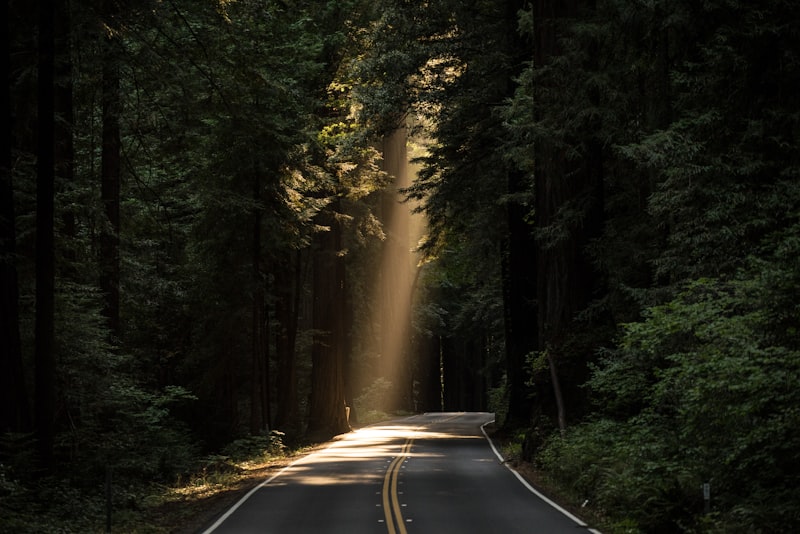
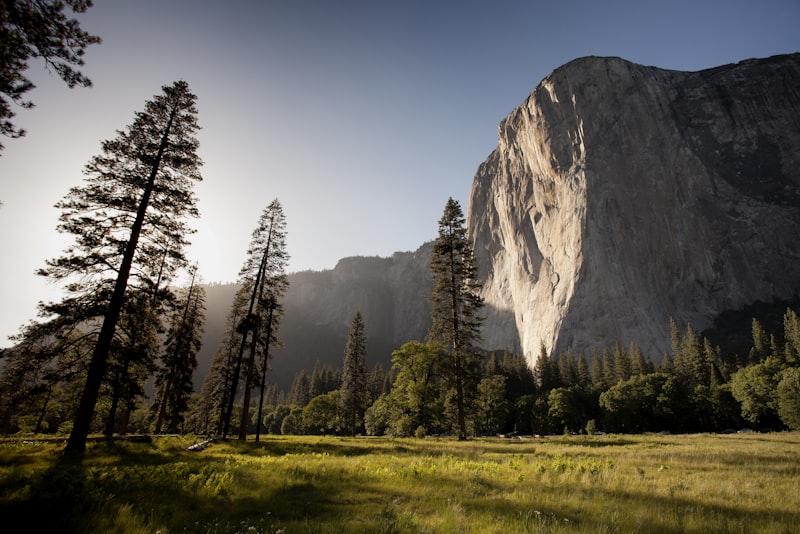
A small figure in a vast empty landscape feels solitary, or peaceful, or dwarfed by something larger — the space speaks of scale and stillness. A single object on a clean, generous background feels calm and considered, almost meditative. Tight, crowded frames feel busy and energetic; open, spacious ones feel slow and serene.
So when you leave space, you're not just clarifying the subject. You're setting a tone. If you want a photo to feel quiet, give it room to breathe. If you want it to feel intimate, close in. The emptiness becomes an instrument you can play, gently, to make the viewer feel a certain way before they've even understood what they're looking at.
This is why simplicity and calm so often go together. A frame that isn't fighting for your attention lets you settle. And a viewer who settles is a viewer who lingers, which is all any photograph really wants.
Practice the Pause#
You can start tonight with whatever camera or phone you have. Pick one small thing — a cup, a leaf, a shadow, a face — and try to photograph it with as much empty space around it as you dare. Push the emptiness further than feels comfortable. Then look at the result. Nine times out of ten, the version with more room feels stronger than you expected.
Then carry the idea with you. Each time you raise the camera, take a breath and ask: what can leave this frame? Trust the empty space. Let the subject stand alone. It feels almost too simple to be a technique, and that's exactly why it works.
Simplicity isn't a style reserved for serious photographers. It's a way of being generous to the people who will look at your pictures — clearing the clutter so they can see the one thing you wanted them to see, and feel the quiet you felt. Anyone can learn to leave room to breathe. The next photo you take is a fine place to begin.