The first golden hour I really paid attention to, I almost missed. I was packing my bag at the end of a long afternoon when the light slipped low behind the trees and turned an ordinary parking lot into something I couldn't stop looking at. The asphalt glowed. A chain-link fence threw long, soft shadows. I took a few frames almost by accident, and they were the best of the day. That's the thing about golden hour. It does most of the work for you, if you're simply there to catch it.
So let's talk about how to be there on purpose, and how to make the most of it once you are.
What Golden Hour Actually Is#
Golden hour is the stretch of time shortly after the sun rises and shortly before it sets, when the sun sits low in the sky. Because the light travels through more of the atmosphere at that angle, it comes out softer, warmer, and gentler than the harsh white light of midday.
Two things change, and both help your photos. First, the color warms toward gold and amber, which flatters skin, landscapes, and just about everything else. Second, the shadows grow long and soft instead of short and hard. Midday sun drops dark shadows straight down under noses and eaves; low sun stretches them sideways into gentle shapes that add depth without harshness.
The name is a little generous — it's rarely a full sixty minutes, and the length depends on the season and where you are. But the feeling is unmistakable. The world looks lit from within.
Planning for It#
The only hard part of golden hour is showing up at the right time, and that's easy to solve. You just need to know when the sun rises and sets where you are. A quick check of any weather app or a sunrise-sunset lookup gives you the times, and from there it's simple arithmetic: the golden light arrives in the roughly hour after sunrise and the roughly hour before sunset.
A few habits make it smoother:
- Arrive early. Get to your spot fifteen or twenty minutes ahead so you're settled, not scrambling.
- Scout in advance if you can. Visit the location at another time and notice where the sun will come from.
- Watch the western sky for evenings and the eastern sky for mornings. Open horizons give you light for longer; tall buildings or hills cut it short.
- Keep shooting as it changes. The light shifts minute to minute, and the best moment is often the last one.
The light at golden hour doesn't wait for you to be ready. The photographers who catch it most often are simply the ones who showed up before it arrived.
You don't need to drive somewhere special. Your own street, a nearby park, a window in your kitchen — all of them transform in this light. The location matters far less than the timing.
Shooting Into and Across the Light#
Once you're there, the direction you face changes everything. The same scene gives you completely different photos depending on where the low sun sits relative to your subject.
Side light#
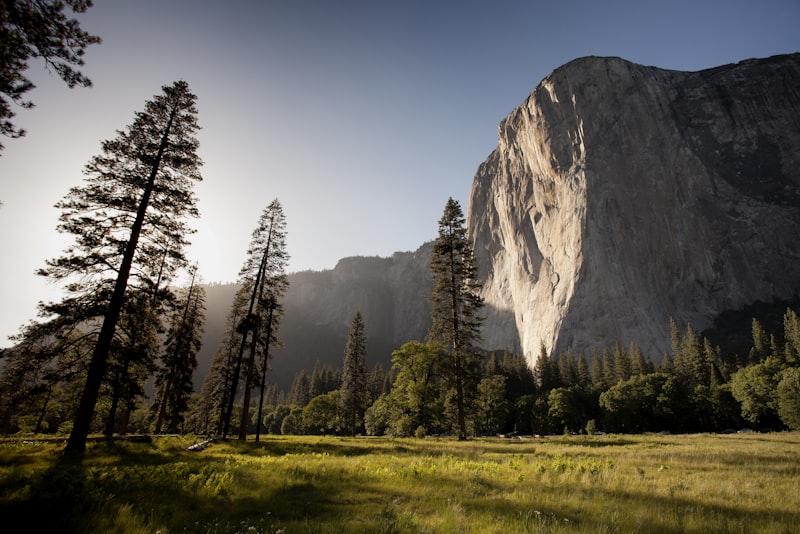
Turn so the sun rakes across your subject from the side. This is the workhorse of golden hour. It reveals texture — the roughness of bark, the folds of a sweater, the grain of sand — because every little ridge casts its own small shadow. Faces gain gentle dimension. Landscapes gain depth. When in doubt, try side light first.
Backlight#
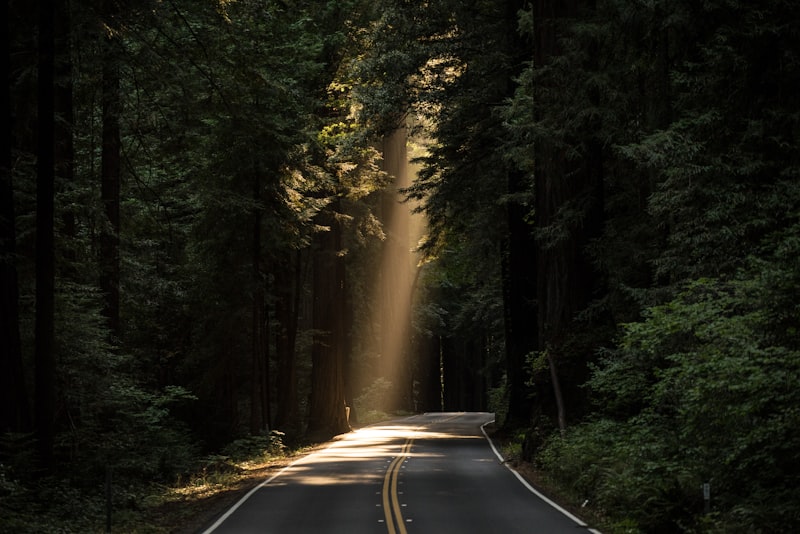
Now turn so the sun is behind your subject, shining toward you. This is where the magic many people chase lives. Hair lights up in a bright rim. Leaves and grass glow as the light passes through them. You may catch soft flare or a haze that wraps the scene in warmth. Backlight is a little harder to expose for, so let your subject's face go a touch soft and bright, or step so a tree or building partly blocks the sun. Experiment freely. This is the time for it.
A simple practice is to walk a slow circle around your subject and watch how the light changes as you move. You'll feel which direction sings.
When the Gold Is Gone#
Here's the part most people miss: the good light doesn't end when the sun disappears. After sunset comes blue hour, a quiet window when the sky glows deep blue and the world cools into stillness. The light is soft and even, perfect for calm cityscapes, glowing windows, and gentle, moody scenes. Don't pack up the second the sun drops below the horizon. Some of the most peaceful photos of the day are waiting in those next twenty minutes.
And on the days when there's no golden hour at all — when the sky is a flat gray sheet — don't despair. Overcast light is a giant softbox. The clouds spread the sun's light evenly across everything, erasing harsh shadows and dialing back contrast. It's wonderful for portraits, flowers, and any scene where you want detail and gentleness rather than drama. Many photographers quietly prefer it.
So there's really no bad light, only different light. Golden hour is the one we love first, but learning to see the gifts in blue hour and clouds is what frees you from chasing one perfect moment.
Make a Date With the Light#
The best way to learn golden hour is to keep one appointment with it. Pick a sunset this week, look up the time, and go stand outside with whatever camera you have, even a phone. Watch the light come down. Turn toward it, then away from it. Notice how the same fence post or face or street looks utterly different from one minute to the next.
You won't get every frame right, and you don't need to. You're learning to see, and the soft light makes that lesson easy and kind. Anyone can learn to read it. All it asks is that you show up, look a little longer, and let the low sun do what it has always done.