For years I thought photography was about subjects — people, places, things. Then a student showed me two pictures of the same plain chair, taken an hour apart, and they were nothing alike. One was flat and forgettable. The other had depth, mood, a kind of hush. The chair hadn't changed. The light had. That was the day I understood that light is the real subject, and the chair was just along for the ride.
You don't need expensive equipment to use light well. You need to learn to see it. And the good news is that natural light — the free light pouring through your windows and across your streets — is the best teacher there is.
Light Has a Direction#
The first thing to notice about any light is where it's coming from. Stand in it. Look at the shadows. The shadows always point away from the source, so they tell you instantly where the light lives.
Direction changes everything about how a subject looks:
- Front light comes from behind you, falling onto the front of your subject. It's easy and even, but it flattens things — shadows fall behind, out of sight, so the subject can look a little shapeless.
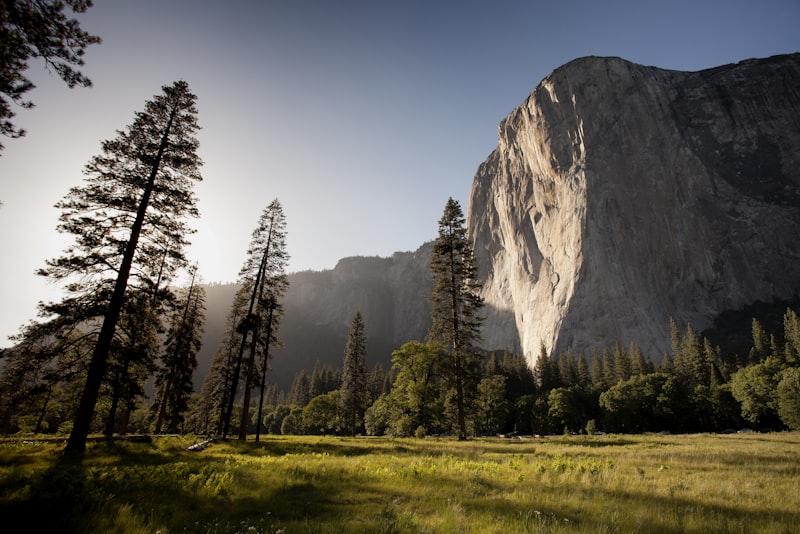
- Side light rakes across the subject from one side. Shadows stretch across the surface, revealing texture and form. This is the light that makes a face, a landscape, or a piece of fruit look three-dimensional.
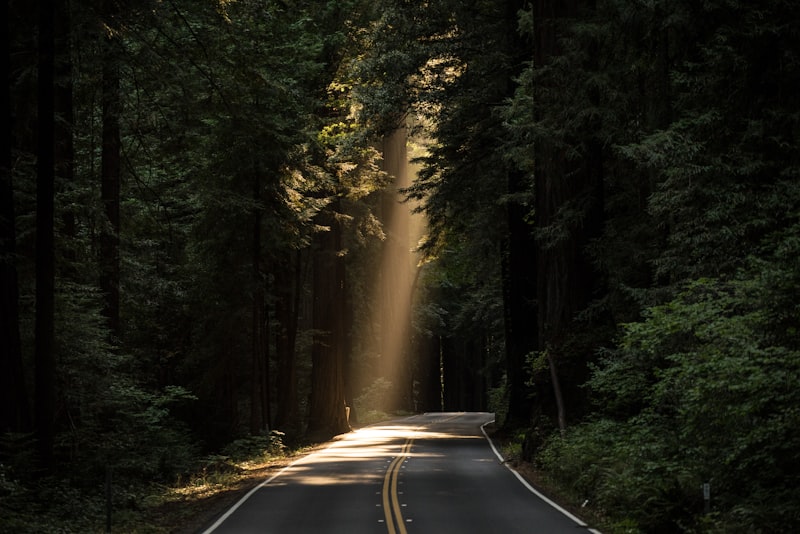
- Back light comes from behind the subject, toward you. It's trickier, but it creates glowing edges and soft, dreamy scenes. Think of hair lit from behind, or leaves turned translucent by the sun.
You don't have to memorize these. Just start asking, every time you photograph something: where is the light coming from, and which way are the shadows falling? Move yourself or your subject a quarter turn and watch how the whole feeling shifts. That small turn is one of the most powerful adjustments in all of photography.
Soft Light and Hard Light#
Direction tells you where. Quality tells you how — and the most important quality to learn is whether light is soft or hard.
Hard light comes from a small, bright source, like the midday sun in a clear sky. It creates sharp-edged, deep shadows and bright highlights. It's dramatic and a little unforgiving; it carves strong lines and can be harsh on faces.
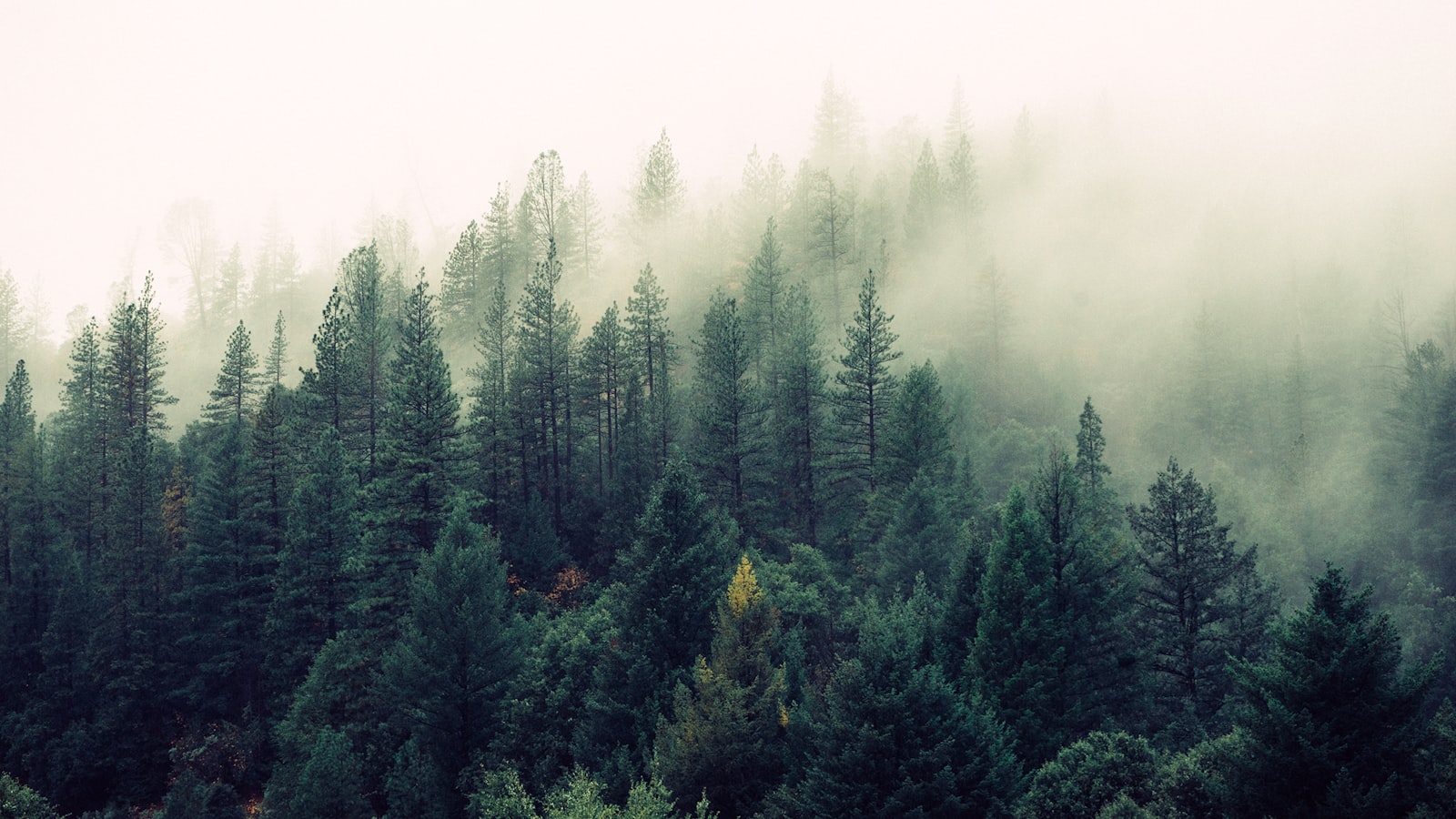
Soft light comes from a large source relative to the subject — an overcast sky, light bouncing off a wall, a big window with a sheer curtain. The shadows it makes are gentle and gradual, fading from light to dark instead of snapping. Soft light is forgiving and calm. It's why an overcast day, which beginners often think is "bad weather," is actually wonderful for portraits and quiet scenes.
A cloudy sky is not weak light. It's the whole sky turned into one enormous, gentle softbox.
Here's the principle underneath it: the bigger the light source looks from where your subject stands, the softer the light. The sun is huge, but it's so far away that it looks tiny, so direct sun is hard. Drape a cloud over it and suddenly the entire sky is the source — soft. You can use this knowledge anywhere, with any camera, simply by choosing the light your subject sits in.
The Window Is Your Studio#
If you want one place to practice all of this, stand someone near a window.
Window light is a gift. It's soft when the day is overcast or the window faces away from direct sun. It has a clear, easy-to-read direction. And it's completely free. Photographers have used it for as long as there have been windows and cameras, and it still produces some of the loveliest portraits you'll ever take.
Try this small exercise. Place a friend — or a coffee cup, or yourself in a mirror — beside a window during the day, not in direct beams of sun but in the bright, open light beside them.
- Turn the subject to face the window. The light is even and flattering.
- Turn them so the window is to one side. Now half the face is lit, half falls into gentle shadow, and the picture gains depth and mood.
- Step around so the window is behind the subject. The edges glow and the scene softens.
Same subject, same room, three completely different pictures — and you made them all just by turning. This is the heart of working with light: you rarely need to add anything. You need to position yourself and your subject to use the light that's already there.
Time of Day Changes the Light#
Natural light isn't one thing; it changes hour by hour, and learning its rhythm gives you a quiet kind of control.
Early morning and late afternoon bring low, warm, angled light. Because it comes from the side and travels through more atmosphere, it's softer, golden, and gentle — which is why so many photographers love the hour after sunrise and before sunset. Shadows are long, colors are warm, and almost everything looks better.
Midday, with the sun high overhead, is the hardest light of the day. It drops shadows straight down — under eyes, under noses — and can feel stark. It's not useless; it's wonderful for bold, graphic scenes and strong shadows. But for soft portraits, you'll often want to step into the shade, where the light becomes large and gentle again.
You don't need to chase perfect conditions. You just need to notice what the light is doing right now and decide whether it suits your subject. Bright and hard? Maybe a bold, contrasty photo, or a move into shade. Soft and gray? Perfect for a calm, even portrait. The light is always offering you something. Your job is to recognize the gift and use it.
Slow Down and Watch#
The single best habit you can build is also the simplest: before you raise the camera, pause and look at the light. Where is it coming from? Is it soft or hard? What is it doing to the shadows? Ten seconds of looking will teach you more than any setting on your camera.
Light is generous. It's everywhere, it's free, and it's endlessly changing, which means you'll never run out of things to notice. Start with a window this week. Turn your subject slowly and watch the light move across it. Once you begin seeing light as the real subject, you'll never take a flat, accidental photo in quite the same way again — and that shift in seeing is something anyone can learn.