Most of us come home from a trip with the same photos as everyone else who went there: the famous building, centred and lit by the midday sun, exactly as it appears on a thousand postcards already. There's nothing wrong with those pictures, but they rarely hold the feeling of actually being somewhere. They prove you were there. They don't tell anyone what it was like. The difference between a folder of landmarks and a set of photographs you'll treasure for years comes down to a simple shift in what you point the camera at — and how you behave while you do it.
Tell a story, not an inventory#
A trip is an experience, and experiences have texture: the big sights, yes, but also the small details, the food, the faces, the quiet in-between moments. A good set of travel photos works the way a good story does — it moves between the wide and the close, the grand and the tiny.
Think in three rough scales and try to come home with all of them from a place:
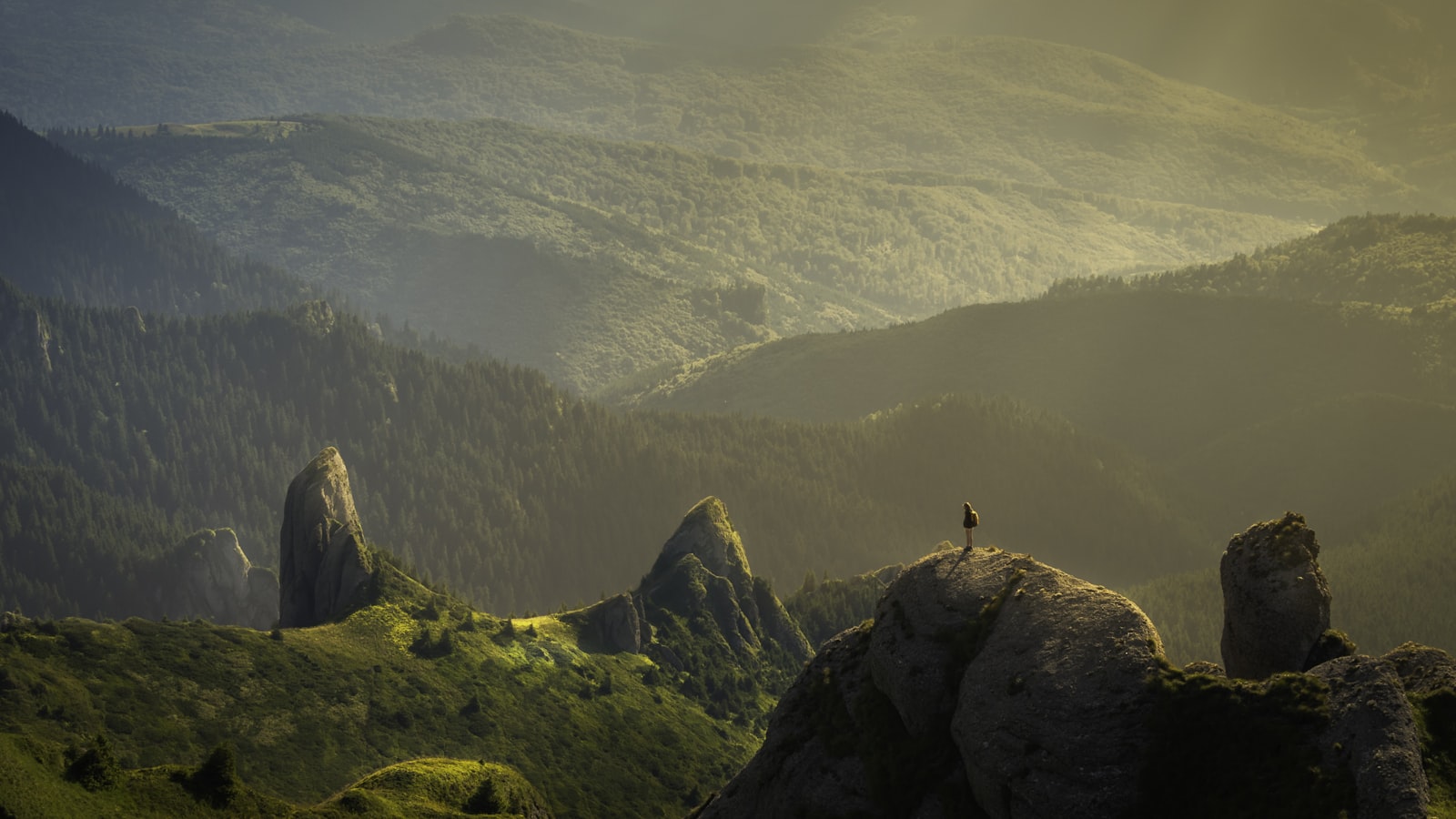
- The establishing shot — the wide view that sets the scene. The street, the square, the landscape.
- The medium moment — people doing something, a market in motion, a meal being made, life happening.
- The detail — the small, specific thing: a hand-painted sign, a worn doorknob, steam off a cup, the pattern of tiles underfoot.
A landmark alone is an inventory entry. But the wide street, plus the vendor laughing, plus the close-up of the bread they're selling — together those tell a story, and the story is what you'll actually want to look at in ten years. Before you leave a place, ask yourself: do I have the small and human shots, or only the big and obvious one?
Go past the postcard#
The famous view exists in millions of near-identical copies, and yours probably won't beat the one already on the postcard rack. So make the picture only you could make. That almost always means turning around — away from the monument and toward the ordinary life happening behind you.
The lived-in side of a place is where its character actually lives: the back streets, the morning routines, the laundry strung between buildings, the café where locals argue over coffee, the light at an hour when the tour buses haven't arrived yet. Get up early and walk while a town is waking up. Wander a neighbourhood with no sights in it at all. Photograph what's genuinely in front of you rather than what you came expecting to find. These are the frames that make people ask "where is that?" instead of recognising it instantly.
The picture worth taking is rarely the one everyone already has. It's usually the one you'd have walked straight past if you weren't paying attention.
Respect the people and the place#
This is the part that matters more than any technique, and the part that's easy to get wrong when you're excited and far from home. You are a guest. The place you're photographing is someone's home, someone's workplace, someone's sacred ground — not a backdrop arranged for your camera.
Ask before you photograph people. A person selling fruit, a craftsperson at work, an elder sitting in a doorway — these are not props, they're people, and a portrait taken without consent takes something from them. You don't always need a shared language. A smile, a gesture toward your camera, a questioning look, and an honest reading of the answer will do. If they say no, or look away, that's the end of it — thank them and move on. Be especially careful with children, who need a parent or guardian's permission, and never photograph someone in a vulnerable or undignified moment for the sake of a striking image.
Beyond people, respect the place itself. Customs and laws around photography vary widely from country to country, and what's ordinary at home may be offensive or illegal elsewhere. Many religious sites, museums, government buildings, and private properties restrict or forbid photography — look for signage, and when in doubt, ask permission rather than assume. Dress and behave appropriately in sacred spaces. Don't climb on, touch, or move things for a better shot. And treat natural places as you would at home: stay on paths, disturb no wildlife, leave nothing behind. (This is general, respectful guidance, not legal advice — local rules are what govern.)
The honest truth is that respect makes your photography better, not just more ethical. People who feel respected relax, and relaxed people make far better pictures than suspicious ones. The traveler who asks, smiles, and waits gets the warm, open portrait. The one who points and shoots gets the wary, closed-off frame — if they get anything at all.
Put the camera down#
Here's the tip I most often forget myself and most need to remember: you are not only here to make pictures. You're here to be here.
It's easy to spend an entire trip behind a lens, experiencing a place through a small rectangle, so busy documenting the moment that you never actually live in it. The irony is that this makes your photography worse too. The best travel images come from genuine engagement — from talking to people, lingering, noticing — and you can't engage while you're fixed on getting the shot.
So make a habit of it: arrive somewhere and don't lift the camera for the first while. Just look. Watch how the place works, where the light falls, what's interesting and what's merely expected. Have the conversation. Eat the meal without photographing it. Then, when something genuinely moves you, raise the camera. The pictures made this way — out of real attention rather than reflex — are almost always the ones worth keeping.
Bringing it home#
Tell a story by mixing the wide, the human, and the small. Turn away from the postcard toward the ordinary life that gives a place its character. Always ask before photographing people, and respect the customs, laws, and sacredness of where you are. And put the camera down often enough to actually be present, because presence is where the good pictures come from anyway.
You'll come home with fewer landmark shots and far more photographs that mean something — pictures that don't just show where you went, but carry the feeling of having truly been there.